
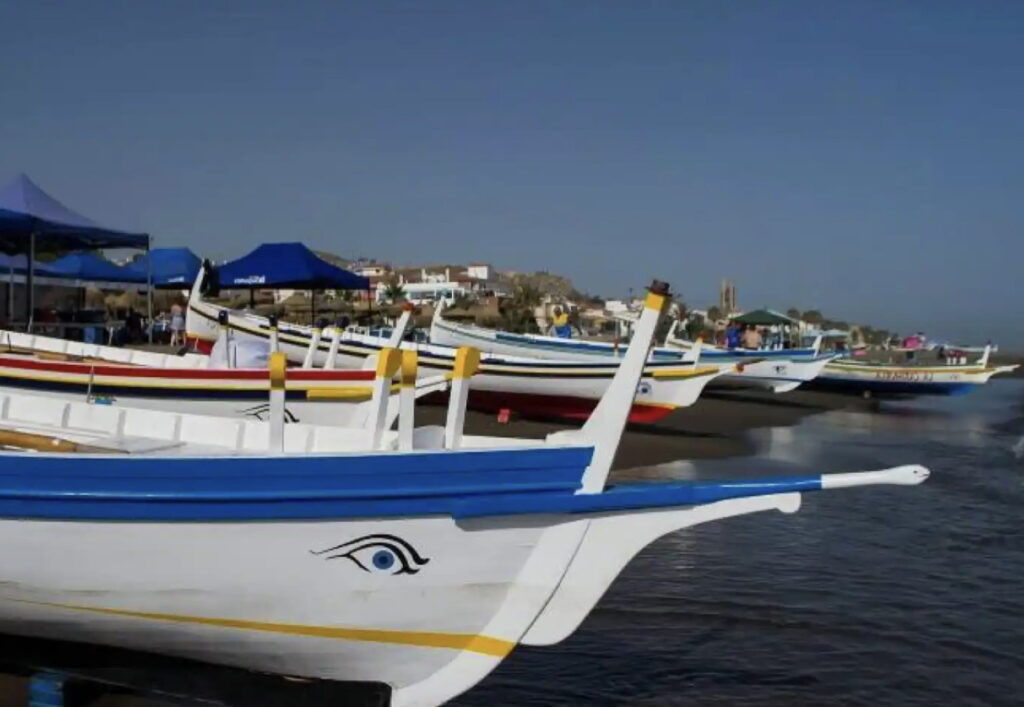
A venerable Andalusian contribution to the history of net fishing and riverside carpentry now converted into a sports and recreational vehicle.
The antecedent of the seine boat was used for net fishing perhaps already in the Andalusian Neolithic, as the cave paintings of Laja Alta - the origin of our logo - would attest. In any case, it is certain that the Phoenician boat, essentially the same, was already fishing in our waters more than 3 thousand years ago, and uninterruptedly until the end of the last century. Of Phoenician origin, it is undoubtedly the oldest of the Spanish boats.
Crewed by 7 or 8 rowers and a skipper or espadilla, it was common on the coasts of Andalusia and particularly on those of Malaga. However, the greatest concentration perhaps corresponded to Almuñécar, including La Herradura, where some 28 seines are recorded. Added to the sardinales, barges and boats, this municipality hosted one of the most numerous fleets of small wooden fishing boats out of port in the Spanish Mediterranean.
Traditional artisanal fishing was prohibited for socioeconomic and ecological reasons around 1986, and soon all of the perhaps 400 Andalusian seine boats had disappeared, except for two survivors.
In 2011 in Málaga, civil society began the recovery of the boat, now converted into a sports and recreational vehicle, with considerable success. We want to extend the phenomenon to eastern Andalusia, where in the past perhaps around 70 seine boats could be counted.
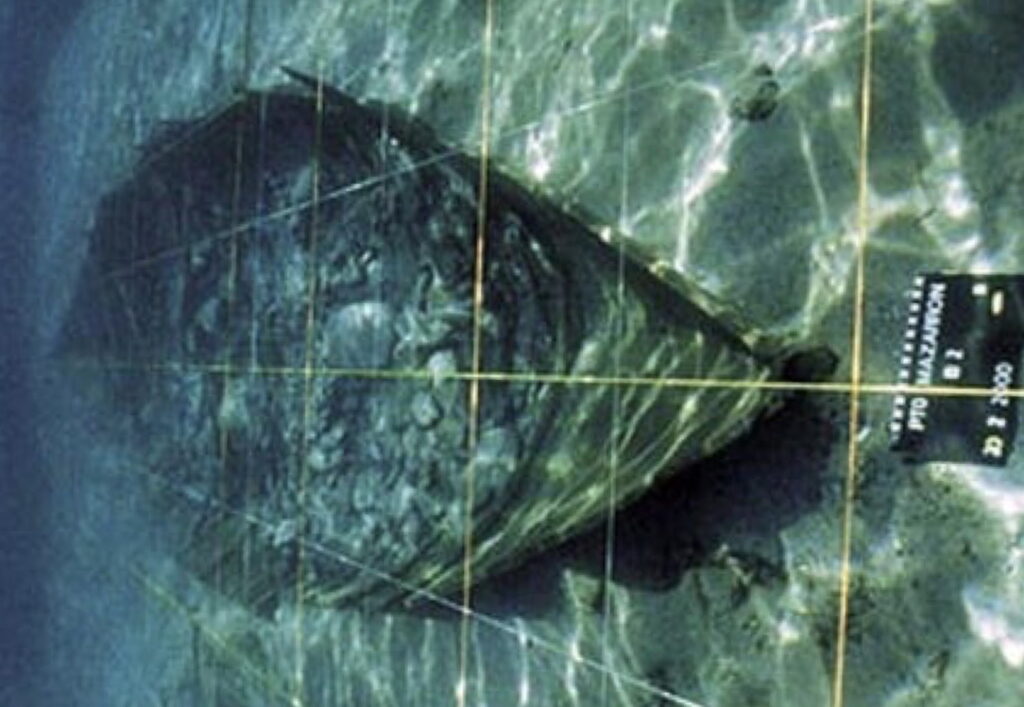
The Mazarrón Shipwreck, Murcia, 7th century BC.
The Phoenician boat reached our waters at least three thousand years ago. The seine boat, its heir, is almost identical in measurements and handling.

Detail of the model of the Phoenician city of Sexi, preserved in the castle of San Miguel in Almuñécar. It shows the El Majuelo salting factory and several boats can be seen in the port. They brought the fish and salt.
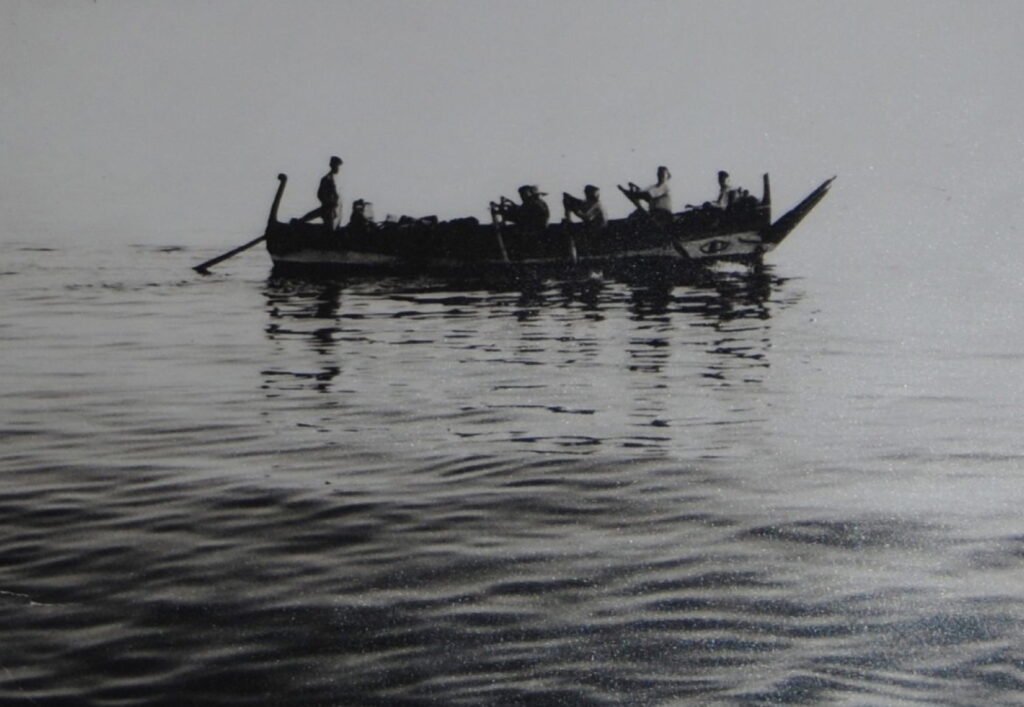
"Seine" in Andalusian Arabic means "net." The flagship of artisanal fishing reached its maximum productivity at the beginning of the 20th century, before the emergence of motorized metal fishing boats equipped with sonar.
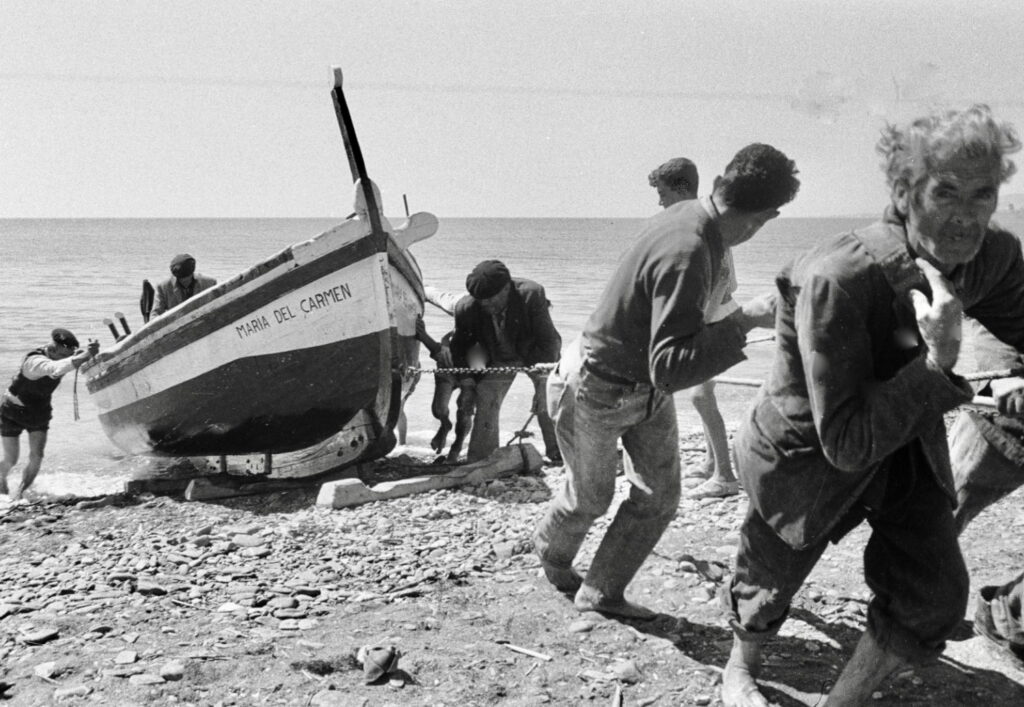
Already in decline, at the end of the last century, artisanal fishing was prohibited for socio-economic and ecological reasons in 1986.
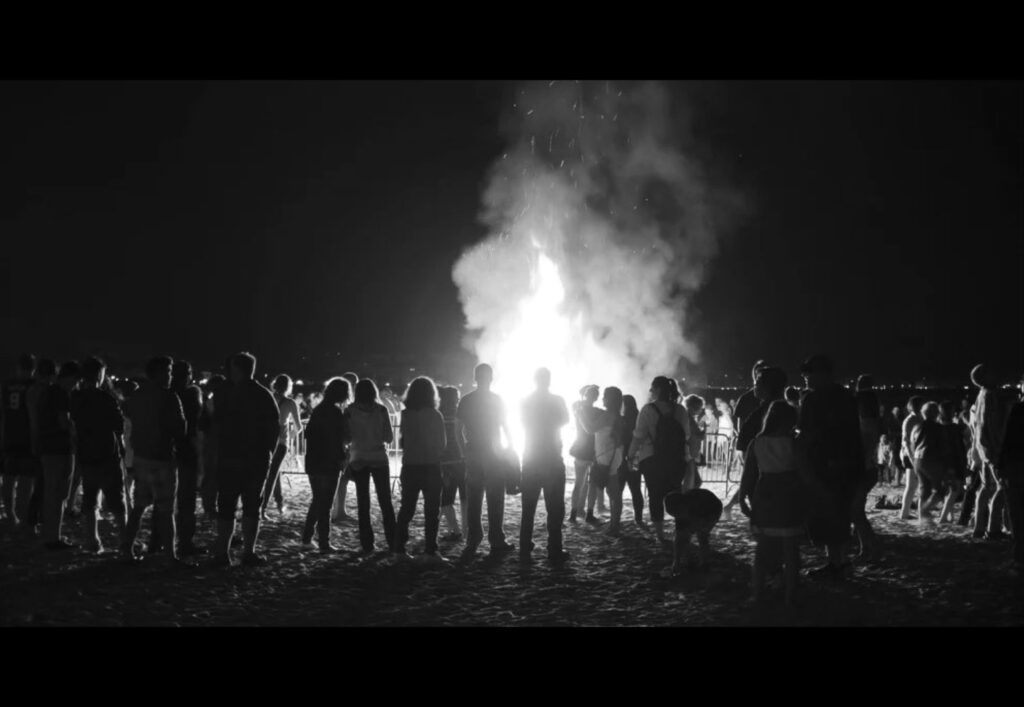
Soon, almost all the seine boats had disappeared, many delivered to the fire on the night of San Juan.
In 2011, in Málaga, boats were built again, not for fishing, of course, but as sports and recreational vehicles, with half the weight. In summer they celebrate a Traditional Rowing League that is very successful.
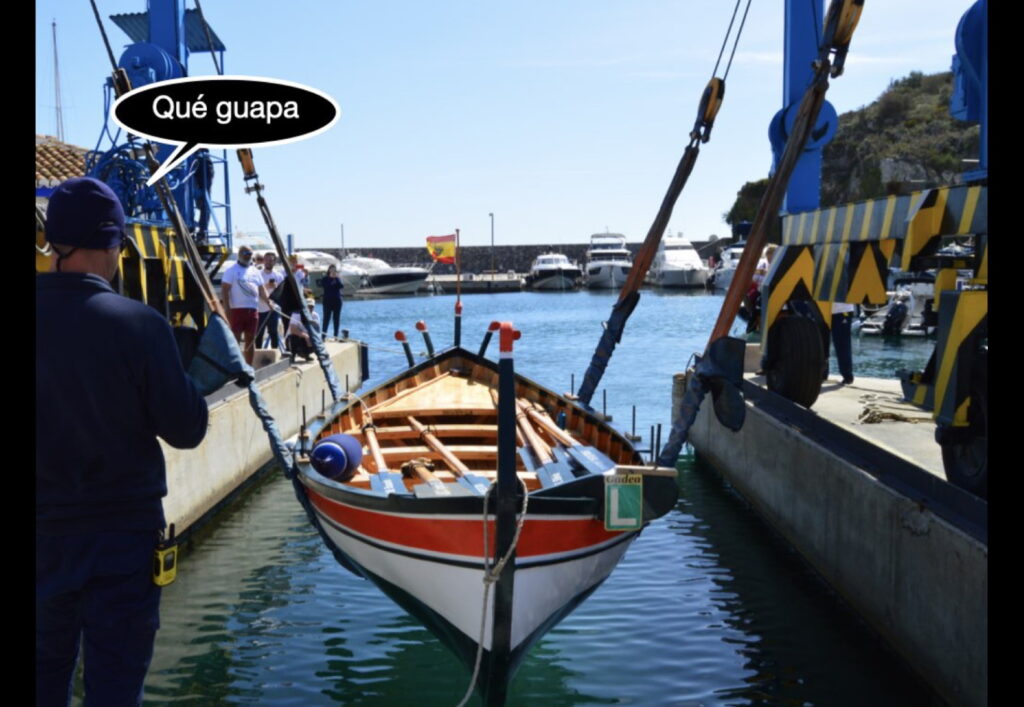
In March 2022 we launched a boat in La Herradura, following the course set by our Málaga friends. It was built by us, in wood.
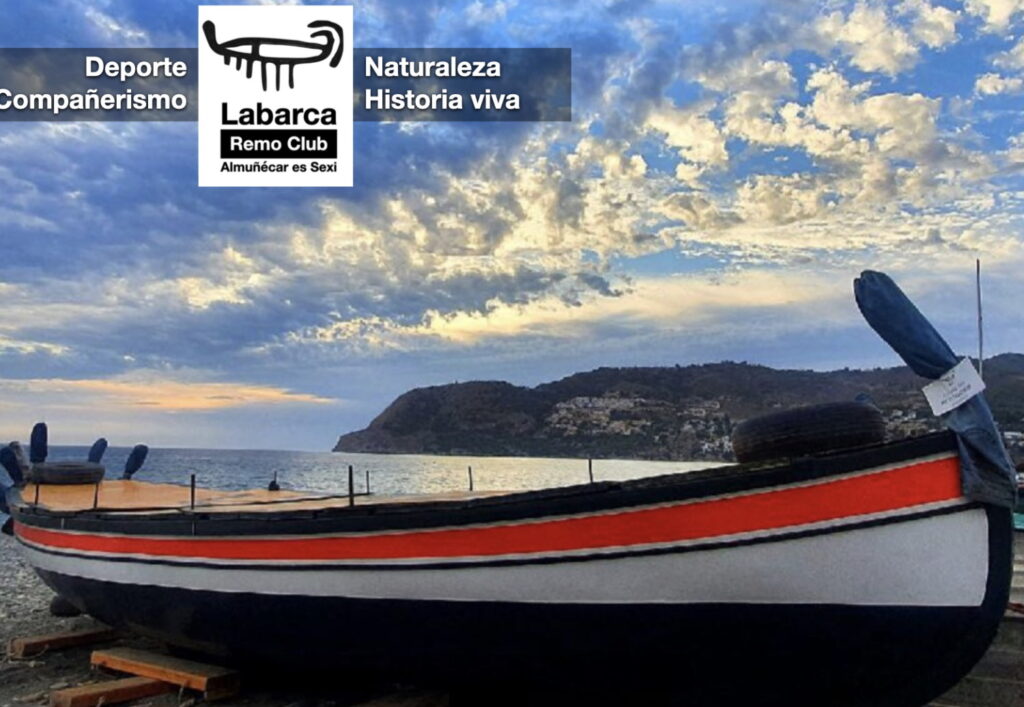
Our boat is fully operational but its true function is to serve as a mould for the manufacture of an ultralight fiberglass version.
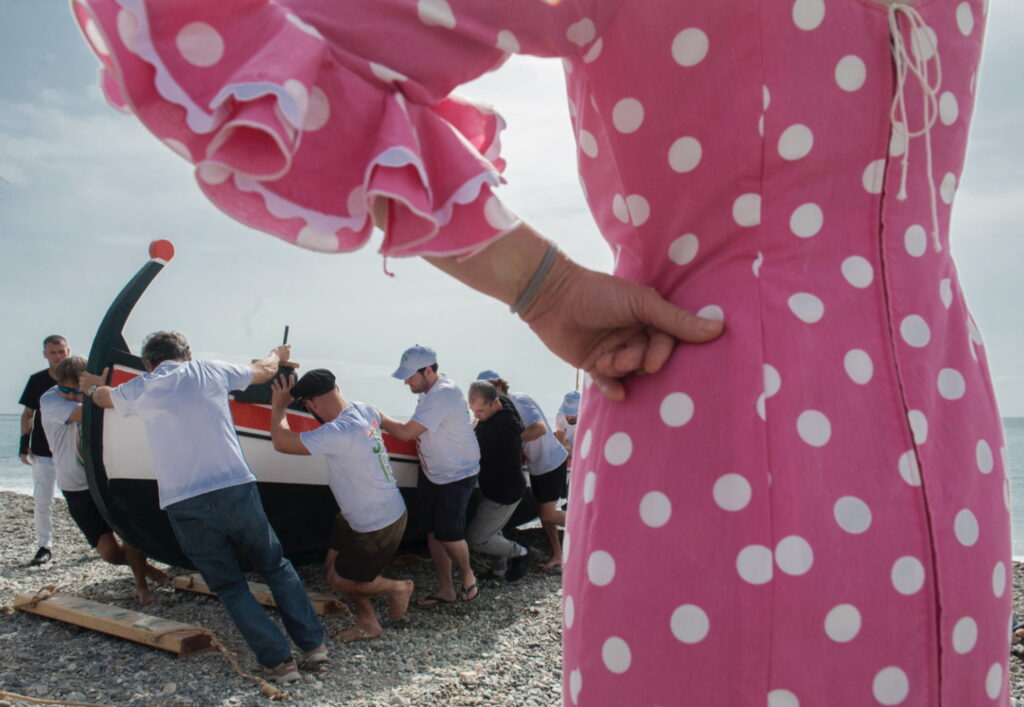
We consider ourselves indebted to the friends of the boat from Málaga, but we differ in some aspects, for example, we renounce any extra weight.
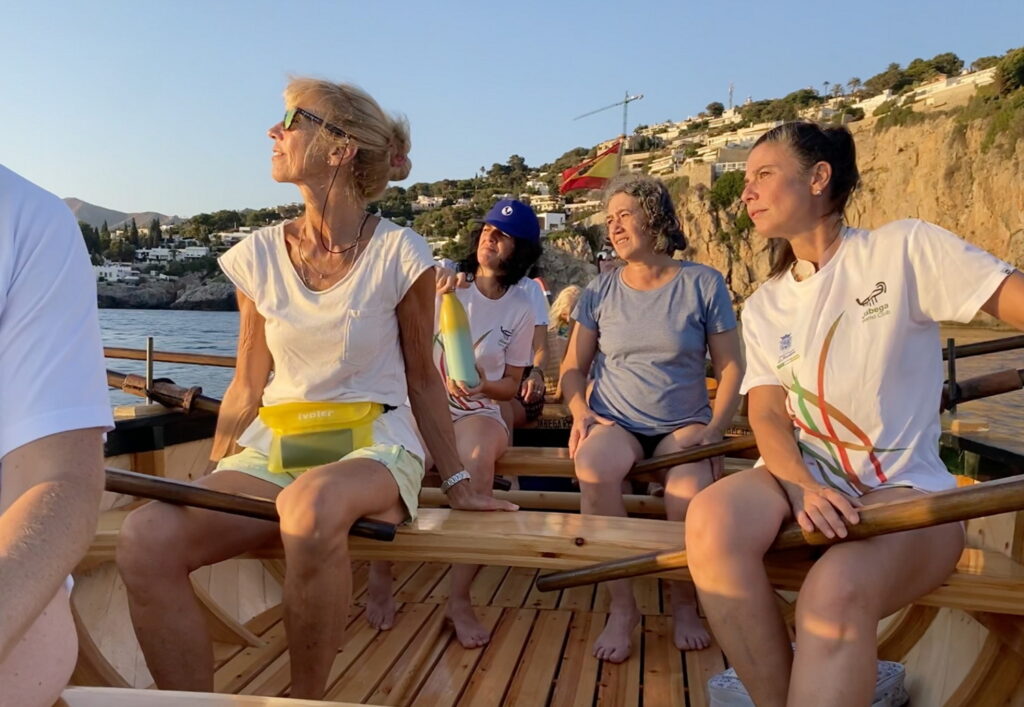
Our ultralight boat will be accessible to (almost) all audiences, not just athletic young people. We encourage sports competition, but also simple fitness and simple recreation.
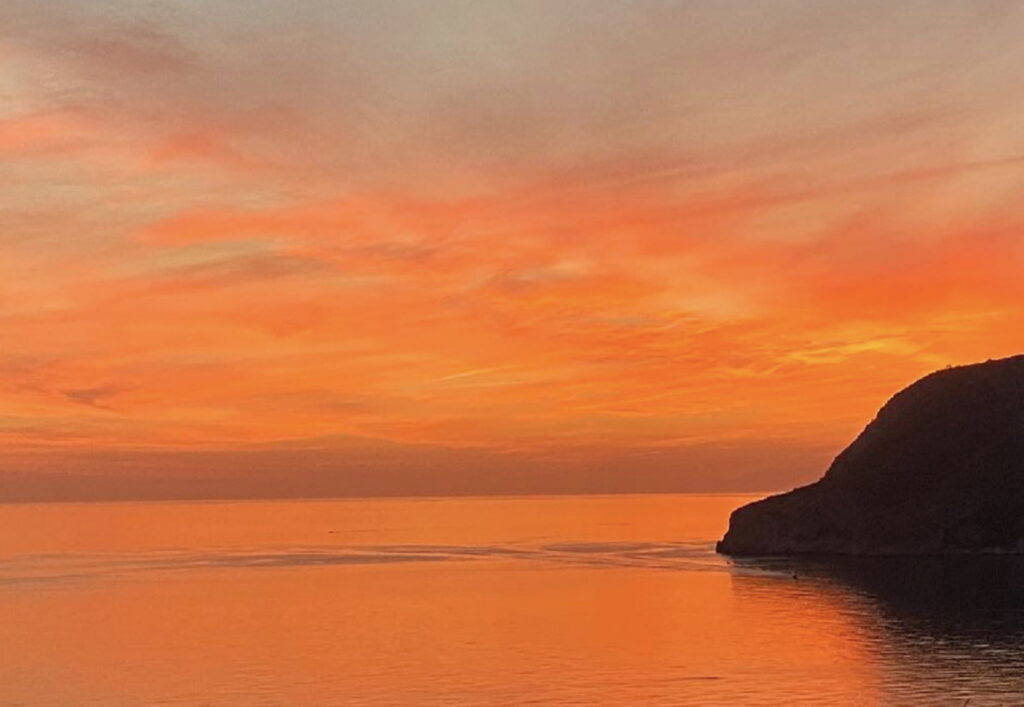
Our best asset: the coasts of the Alboran Sea are placid for traditional rowing at least 300 days a year.
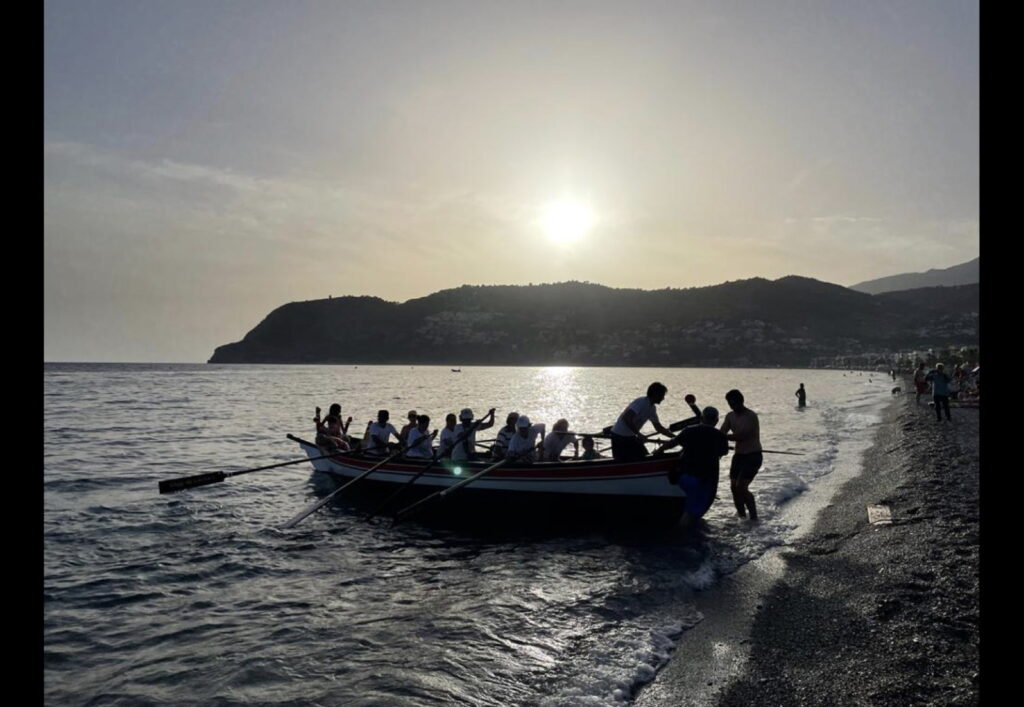
Our final objective is to help create the contents of a future Interpretation Center for artisanal fishing and riverside carpentry.
To make you forgive the sin of building in fiberglass, betraying the venerable tradition of Andalusian riverside carpentry, we force ourselves to make a commitment.
We will enjoy the sea but with equal dedication we will study and defend the memory of the old technology of the art of artisanal fishing and riverside wood carpentry.
If LABARCA functions prosperously, we would like to collect and create the contents of a future Seine Boat and Riverside Carpentry Art Interpretation Center.
We want modern society to take off its hat to the memory of the old fishermen, and recognize their terrifying wisdom and bravery and effort, and their lifestyle, as spare as it is noble.
The authority had the right to prohibit artisanal fishing, for socioeconomic and ecological reasons, but it should not have ignored the very high historical and ethnographic value of the Andalusian Marenga culture.
We are sure that there is an important potential audience, especially schoolchildren, students from all schools less than an hour by bus, and tourists interested in history, culture and ethnography.